
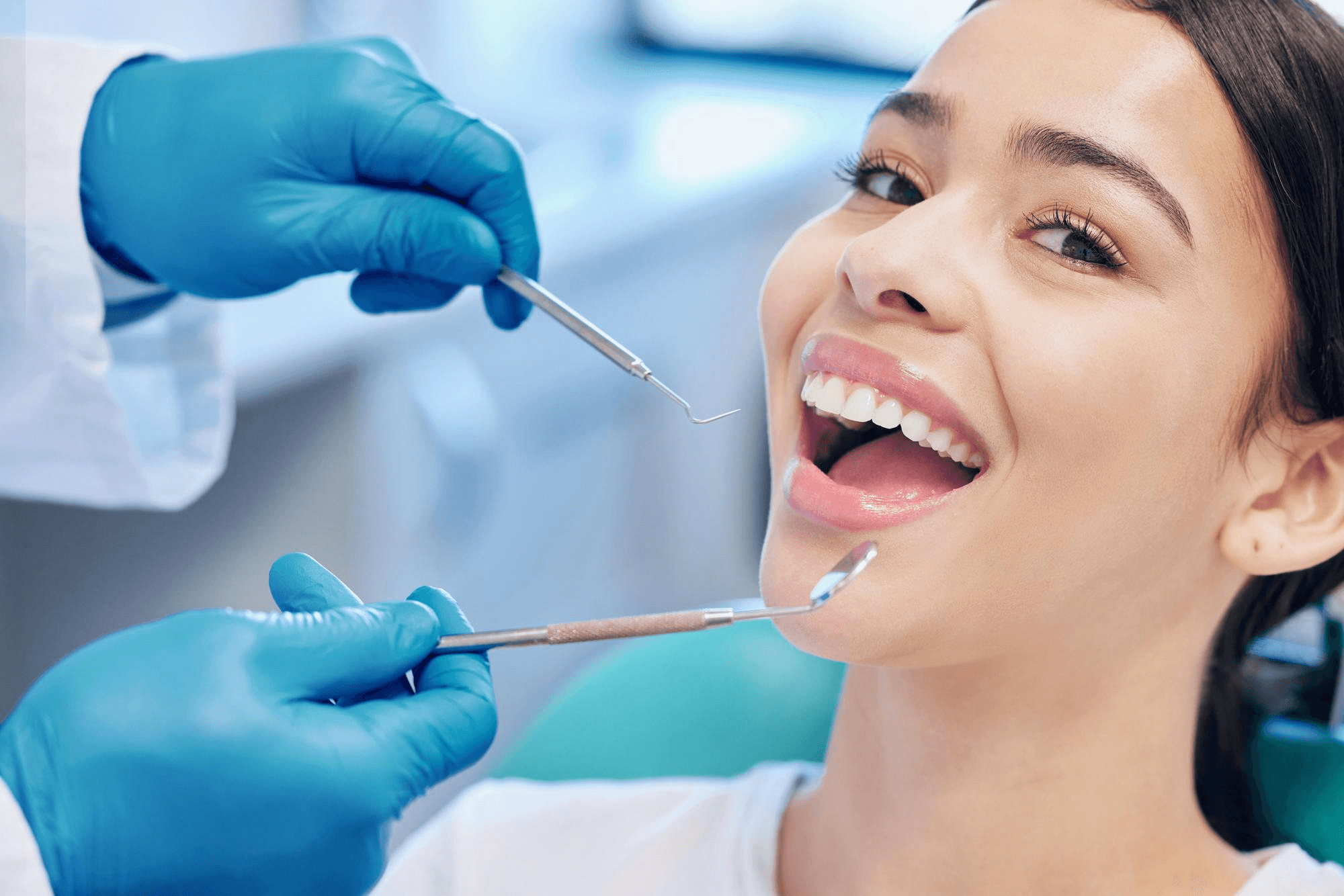
Every day, a soft layer of bacteria builds up on your teeth. That’s plaque. Left alone, it sets into calculus, also called tartar. Brushing removes plaque, but only a professional clean removes calculus.
- Plaque bacteria turn sugar into acid (healthdirect, tooth decay).
- Along the gumline, plaque inflames gums (healthdirect, gum disease).
- Only a dental professional can remove calculus (healthdirect, gum disease).
What does plaque do?
The bacteria in plaque change the sugar in food and drink into acid, and the acid slowly damages enamel (healthdirect, tooth decay). That’s how decay starts.
At the gumline, plaque irritates the gums. They turn red and swollen and may bleed when you brush (healthdirect, gum disease).
Why does calculus matter?
Plaque that stays put hardens. The rough surface of calculus then holds more plaque, which is one reason gums can stay inflamed despite good brushing (healthdirect, gum disease).
Scraping it at home risks hurting your gums. Leave it for your next clean and put your effort into stopping new plaque from setting.
What keeps plaque in check?
- Brush gently along the gumline twice a day with fluoride toothpaste.
- Clean between your teeth once a day.
- Keep sugary food and drink to mealtimes.
- Have a professional clean at the gap your dentist recommends.
Ask us to show you the floss or interdental brush size that fits your gaps. A powered brush removes a little more plaque on average, which may help if brushing is hard (Yaacob et al., 2014).
Does it matter beyond your mouth?
Long-term gum inflammation (periodontitis) goes along with diabetes and heart disease. Research hasn’t shown that gum disease causes heart disease (Sanz et al., 2018; Sanz et al., 2020).
So we treat gum health as part of looking after you, and we don’t promise it will change a condition elsewhere in your body.
Sources
- healthdirect (Australian Government). Tooth decay
- healthdirect (Australian Government). Gum disease
- Yaacob M, et al. Powered versus manual toothbrushing for oral health. Cochrane Database of Systematic Reviews. 2014. PubMed 24934383
- Sanz M, et al. Scientific evidence on the links between periodontal diseases and diabetes: consensus report of the International Diabetes Federation and European Federation of Periodontology. Journal of Clinical Periodontology. 2018. PubMed 29280174
- Sanz M, et al. Periodontitis and cardiovascular diseases: consensus report. Journal of Clinical Periodontology. 2020. PubMed 32011025
Where To Read Next
Want more on this topic? This page goes further, and it lists questions to bring to your visit.
Nutrition & Prevention Guide