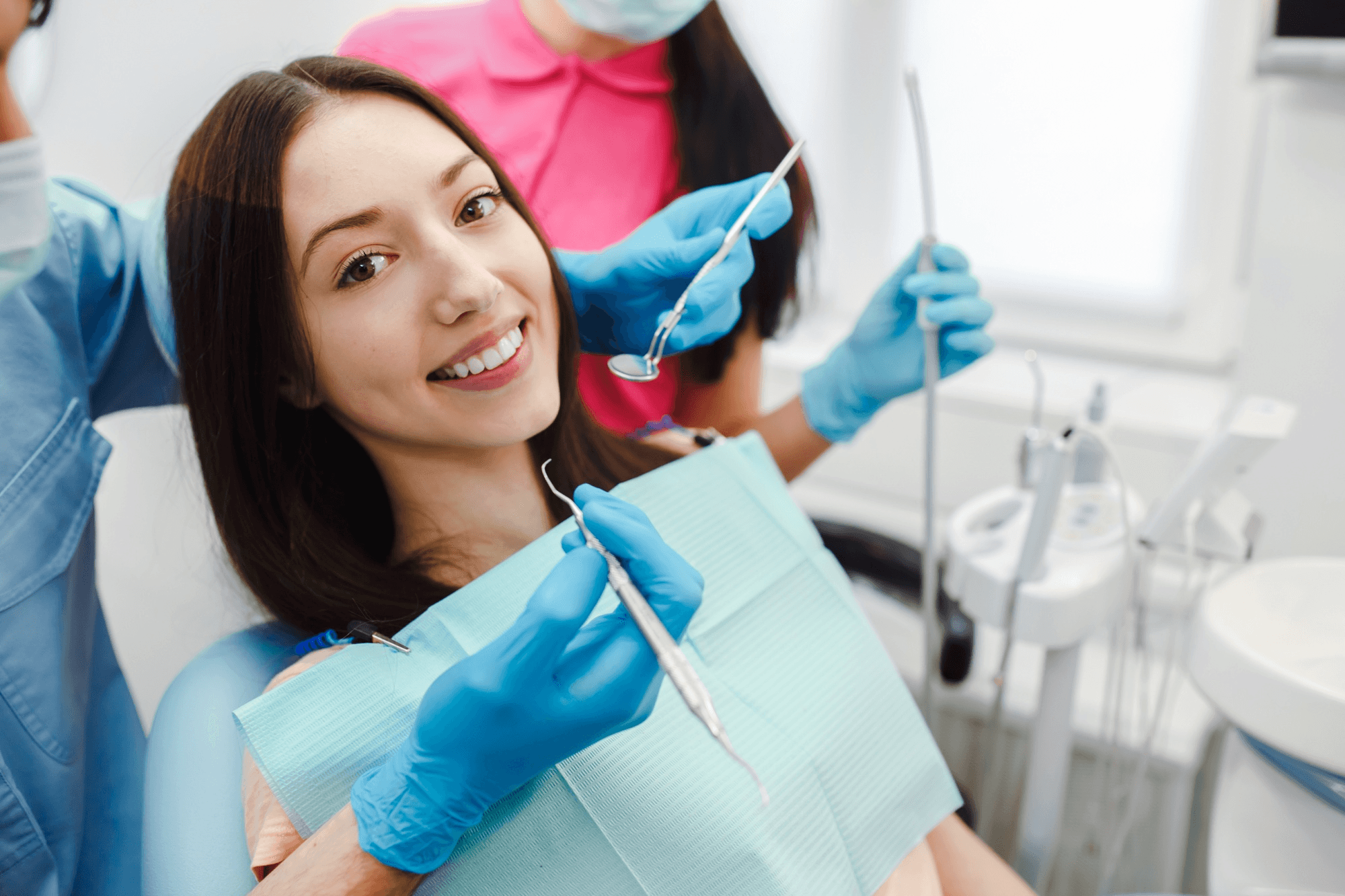
Pregnancy doesn’t cause poor dental health. But changes in hormones, eating habits, vomiting and reflux can raise your risk of dental problems (ADA, teeth.org.au, pregnancy). A few steps cover most of it.
- Dental treatment is safe during pregnancy (ADA, teeth.org.au, pregnancy).
- Tell your dentist you’re pregnant, even if you haven’t told anyone else (ADA, teeth.org.au, pregnancy).
- The second trimester may be the most comfortable time to visit (ADA, teeth.org.au, pregnancy).
What might you notice?
Gums. Hormone changes make gums more sensitive to plaque bacteria, so they can turn red, swollen and bleed easily. If you’re caring for your gums well and they still bleed, see your dentist (ADA, teeth.org.au, pregnancy).
Cravings. Craving sweet food and drink is common, and frequent sugar raises the risk of decay (ADA, teeth.org.au, pregnancy).
Acid. Vomiting and reflux bring stomach acid into the mouth, and acid can wear away tooth surfaces. That’s called erosion (ADA, teeth.org.au, pregnancy).
How do you protect your teeth?
- Brush gently, morning and night, with fluoride toothpaste, and clean between your teeth every day.
- After vomiting, rinse with water, or rub fluoride toothpaste on your teeth with a finger. Wait an hour before brushing (ADA, teeth.org.au, pregnancy).
- Snack on low-sugar foods such as fruit, cheese or plain yoghurt, and have sweet treats with main meals (ADA, teeth.org.au, pregnancy).
- After sugary food or drink, rinse with tap water, which contains fluoride (ADA, teeth.org.au, pregnancy).
Is dental treatment safe?
Yes. Local anaesthetic is safe during pregnancy and breastfeeding, and X-rays can be taken when needed, sometimes with a lead apron (ADA, teeth.org.au, pregnancy). Untreated decay and gum disease can cause infections, which can be a risk to you and your baby (ADA, teeth.org.au, pregnancy).
Whitening isn’t recommended while you’re pregnant or breastfeeding. There’s no evidence it’s harmful, but no evidence it’s safe (ADA, teeth.org.au, teeth whitening).
Planning ahead
If you’re thinking about having a baby, a check-up beforehand helps. Any treatment you need is best done before you become pregnant (ADA, teeth.org.au, pregnancy).
Read our gum health guide too.
Sources
Where To Read Next
Want more on this topic? This page goes further, and it lists questions to bring to your visit.
Nutrition & Prevention Guide