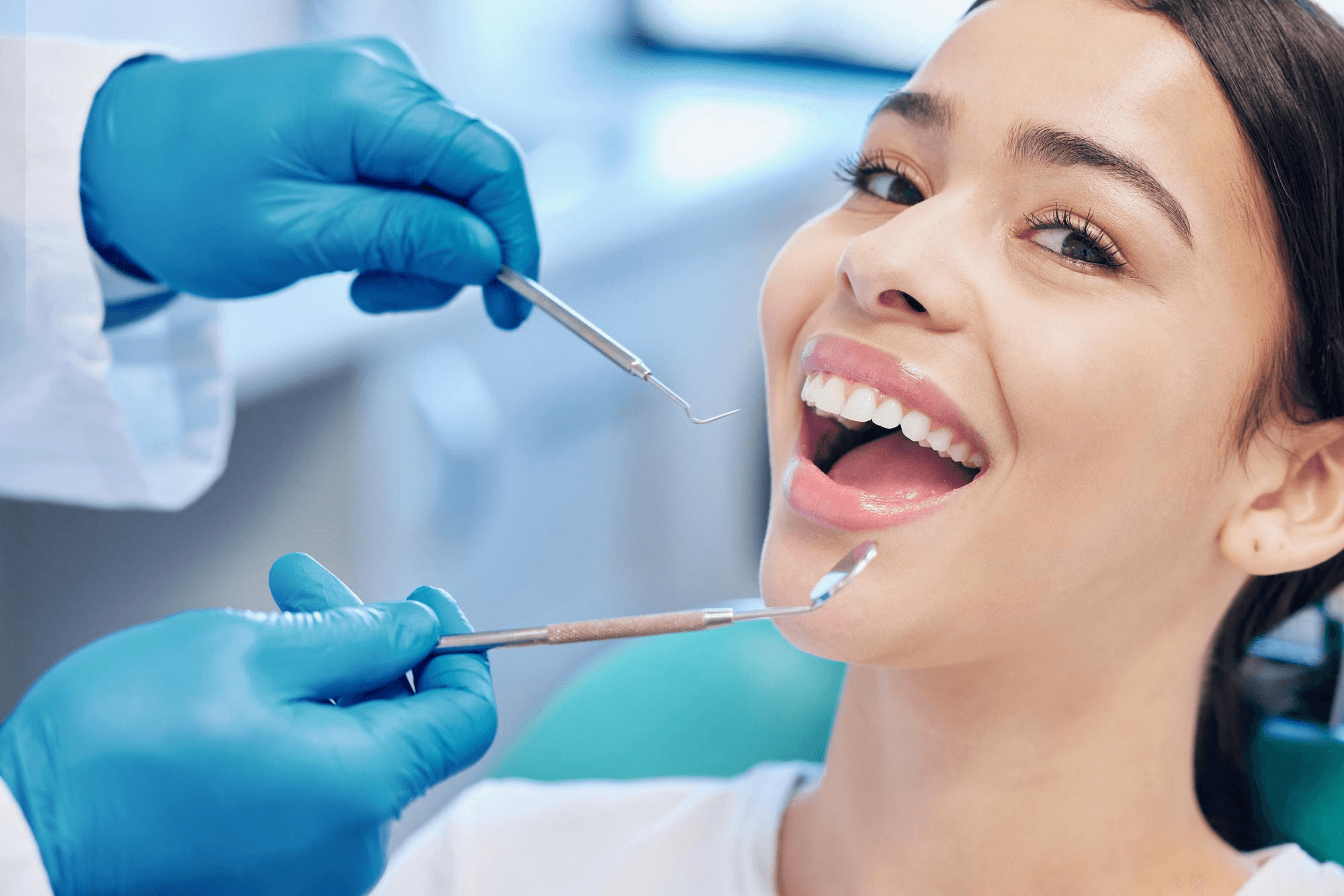

You have started a medicine, and now your mouth feels dry at work, with meals or when you wake. It can be difficult to know whether to ask about the prescription first or arrange a dental visit. Separate those questions so that neither gets lost.
Medicines can contribute to dry mouth, but a prescription change belongs in a discussion with your doctor. Absolute Dental West Perth's nutrition-and-prevention information also asks patients to mention dryness. Bring your current medicine list and explain what you have noticed, so tooth protection and the possible cause can both be discussed. (Better Health Channel: medicine review Absolute Dental West Perth: prevention)
Could there be another reason for the dryness?
Yes. Better Health Channel lists causes beyond medicines, including dehydration, mouth breathing and medical conditions. A symptom that begins after a new prescription is useful information to report, but it is not proof of the cause. Tell the doctor when it started and whether anything else changed around the same time. (Better Health Channel: dry mouth)
Explain the effect on your day. Dry mouth can involve saliva that feels thick, a rough tongue, cracked lips, soreness or difficulty chewing and swallowing dry food. The Victorian guidance describes these symptoms, but a list cannot establish which condition you have or what treatment will suit you. (Better Health Channel: symptoms)
Also mention symptoms outside the mouth, such as dry eyes, joint discomfort or feeling generally unwell. Better Health Channel advises discussing associated symptoms with your doctor. A dental appointment can consider oral findings while a doctor investigates a possible wider cause; one does not have to replace the other. (Better Health Channel: symptoms)
Can I stop the medicine to check?
Discuss it with the prescribing doctor before making a change. Better Health Channel says a doctor may sometimes change the medicine or dose, and sometimes cannot. Do not make that decision from an online list of side effects or stop a prescription because you are waiting for a dental appointment. (Better Health Channel: medicine review)
Absolute Dental's own prevention page makes the same practical distinction: tell the dentist and GP about persistent dryness, particularly when a medicine may contribute, and leave prescription review with the doctor. The clinic also states that it does not sell or prescribe supplements or run detox programs. Those are not proposed routes for this concern. (Absolute Dental West Perth: prevention)
- When you call the doctor, try: “My mouth has felt dry since I started this medicine. Could we review whether it might be related and what else to consider?”
- At the dental visit, ask how to look after your teeth during that review. These are ways to start the discussion.
Why talk about teeth when the problem is saliva?
Saliva helps neutralise acids and carries minerals involved in protecting tooth surfaces. Better Health Channel explains that reduced saliva makes decay more likely, including near root surfaces. This explains the prevention discussion; it is not a claim that you have decay or that every dry mouth has the same level of risk. (Better Health Channel: tooth protection)
A comfortable-feeling mouth and a prevention plan answer different needs. The Victorian source discusses moistening products alongside fluoride, cleaning and food choices. Ask whether each recommendation is for symptom relief, tooth protection or investigation of the cause, rather than assuming one product takes care of all three. (Better Health Channel: tooth protection)
| The part you want help with | What to discuss |
|---|---|
| A possible medicine effect | Your doctor can review the prescription and the reasons for taking it. (Better Health Channel: medicine review) |
| The dry sensation | Ask your doctor or dentist about a suitable moistening product and its directions. (Better Health Channel: daily care) |
| Tooth protection | Review fluoride, cleaning and food or drink habits with the dentist. (Better Health Channel: tooth protection) |
| An unclear cause | Discuss examination, history and whether further investigation is appropriate. (Better Health Channel: assessment) |
What information should I bring?
Bring a short account rather than a home diagnosis. The following checklist puts the prescription history and your day-to-day concerns together. It does not suggest you need a particular test. If you do not know a date or product ingredient, bring the packaging or say that you are unsure.
- List prescribed medicines, non-prescription products and supplements, including recent changes.
- Note when dryness began and when it bothers you most.
- Describe difficulties with food, talking, soreness or sleep rather than only saying “dry mouth”.
- Bring the names or label photos of oral-care and moistening products you use.
- Include any denture concerns and previous advice about decay prevention or dental reviews.
Better Health Channel's medicines guidance asks patients to disclose prescribed, over-the-counter and herbal products before dental treatment. It explains that medicines can affect dental care in different ways. That is why the whole list is useful, even when one new prescription seems the most relevant to your concern. (Better Health Channel: medicines)
Which home-care questions should I ask?
Ask about cleaning and fluoride first. Better Health Channel recommends brushing at least twice a day, daily cleaning between teeth and suitable fluoride products. The dentist can discuss which products fit your mouth. Do not assume that using a stronger formulation or several rinses is appropriate simply because dryness is present. (Better Health Channel: daily care)
Review drinks and things you use to moisten the mouth. The Victorian guidance advises avoiding sugary or acidic drinks, sour sweets and alcohol-containing mouthwashes that can irritate dry tissues. It includes water and sugar-free gum among general suggestions. Tell the dentist if chewing is difficult so the advice fits that limitation. (Better Health Channel: daily care)
If you wear dentures, raise cleaning, fit and overnight removal. Better Health Channel includes removing dentures during sleep and asking for specific advice. A change in comfort is something to describe at the appointment, rather than something this article can attribute entirely to the new medicine. (Better Health Channel: daily care)
You can ask: “What is the smallest change I should make first, and what instructions should I follow?” Write down the answer and ask what to do if the product irritates your mouth. That keeps the discussion practical without promising that one product or habit will resolve the symptom.
What might assessment involve?
The general dry-mouth assessment described by Better Health Channel includes symptom and medical-history review, examination of the mouth and teeth, and saliva testing where appropriate. This does not establish that every person needs saliva testing or that a particular test is available at Absolute Dental. (Better Health Channel: assessment)
The clinic's preventive-care information describes checking teeth and gums and discussing food, dry mouth, sleep and grinding. Ask which parts of a visit are relevant to your concern. Dental prevention does not diagnose conditions elsewhere in your body, a limit the clinic states on that page. (Absolute Dental West Perth: preventive care)
Its nutrition-and-prevention page distinguishes dental food advice from broader nutrition care that may involve a GP or accredited dietitian. You can discuss habits that affect your teeth without expecting a dental visit to replace medical care or create a supplement plan. (Absolute Dental West Perth: prevention)
How will I know what happens next?
Ask what has been found and what remains uncertain. If the plan includes a product, a doctor appointment and a dental review, record each separately. This makes it easier to return to the right person with a question, especially if the dryness continues while the possible cause is still being investigated.
| Before leaving | Ask for a clear answer |
|---|---|
| The assessment | What did you find in my mouth, and is anything else being investigated? |
| Daily care | Which instructions apply to the products and cleaning I already use? |
| Follow-up | When should I return, and what changes should prompt an earlier call? |
| Fees | What does the proposed plan include, and could later visits add costs? |
Absolute Dental says the care plan and fees are discussed before treatment, including later visits or upkeep where relevant. Health-fund benefits depend on cover, limits and waiting periods. Ask about the cost of the assessment and any proposed care rather than assuming a routine visit includes a particular test or product. (Absolute Dental West Perth: preventive care)
What if I need to keep the same medicine?
The dental prevention discussion still matters. Better Health Channel explains that if a doctor cannot change a medicine associated with dental problems, the patient can discuss professional and home-care measures with a dentist. That does not mean the dental plan changes the prescription or proves which medicine caused the symptom. The two discussions have different responsibilities. (Better Health Channel: medicine review Better Health Channel: medicines)
Ask for a plan that states what you should do now, what is being investigated and when you will review it. If a product has not helped or is unpleasant to use, say so at that review. You can ask about another approach without making a prescription change or assuming a new product must be suitable because it is sold for dry mouth.
A point from the official guidance
“Do not stop taking your medicine without speaking to your doctor.”
Better Health Channel, Better Health Channel: medicine review; accessed 24 October 2026.
How do I arrange the West Perth visit?
Absolute Dental West Perth is at 1/34 Outram St, West Perth WA 6000. Its contact page lists Monday to Friday, 8am to 8pm by appointment, and (08) 9321 6398. An online enquiry does not confirm an appointment; the team confirms a time with you. (Absolute Dental West Perth: contact)
Say: “I have noticed a dry mouth since starting a medicine and would like to discuss dental care.” Use the contact page for appointment questions and bring the medicine list to the clinical discussion. For a prescription change, arrange the doctor conversation described earlier rather than making the change yourself. (Absolute Dental West Perth: contact)
Sources
General published guidance, not personal advice. Sources checked on 24 October 2026.
- Better Health Channel: medicine review. Source observed 2026-10-23.
- Absolute Dental West Perth: prevention. Source observed 2026-10-24.
- Better Health Channel: medicines. Source observed 2026-10-24.
- Absolute Dental West Perth: preventive care. Source observed 2026-10-24.
- Absolute Dental West Perth: contact. Source observed 2026-10-24.
Reference: www.betterhealth.vic.gov.au.
Where To Read Next
Want more on this topic? This page goes further, and it lists questions to bring to your visit.
Preventive dental care